

Your Professional Industrial Equipment Structural Parts Milling Supplier
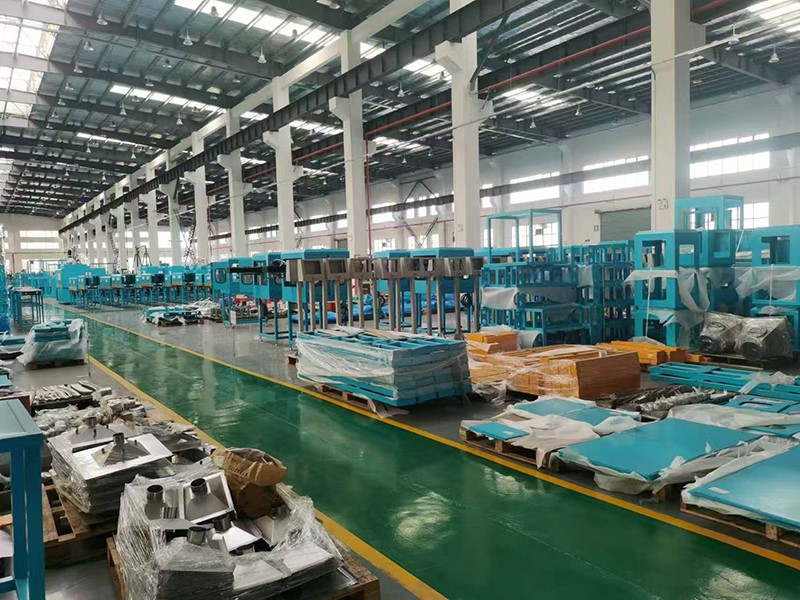
Our company is a modern precision manufacturing enterprise integrating production, sales and service. industry, mainly engaged in the production and processing of metal products: Large welded structural parts, Non-standard automated parts processing, large-Scale gantry CNC processing, five major parts of machine tools, High-frequency heat treatment, guide rail grinding, semiconductor automated parts processing, etc.
-
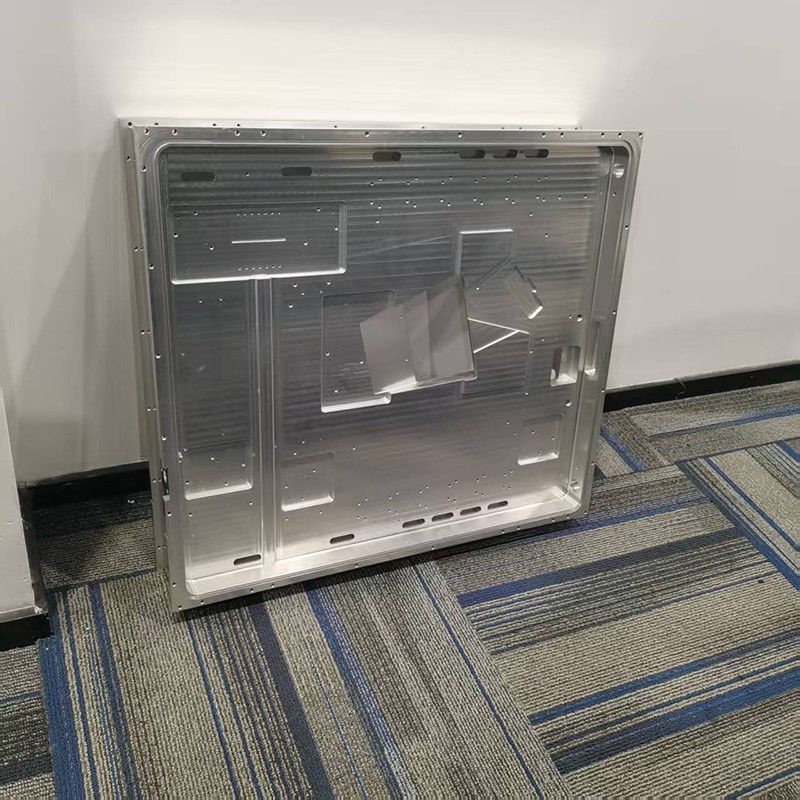
![Frame Structure Gantry Milling]() Frame Structure Gantry MillingFrame structural components play a crucial role in modern industrial equipment, and gantry milling is the core process that endows them with high precision and performance. Our gantry milling service for frame structural components is...view more
Frame Structure Gantry MillingFrame structural components play a crucial role in modern industrial equipment, and gantry milling is the core process that endows them with high precision and performance. Our gantry milling service for frame structural components is...view more -
![Automation Equipment Gantry Milling]() Automation Equipment Gantry MillingOur gantry milling processing services for automation equipment cover the processing of key components of various automated production lines, industrial robot parts, intelligent warehousing equipment, etc. Over the years, we have always...view more
Automation Equipment Gantry MillingOur gantry milling processing services for automation equipment cover the processing of key components of various automated production lines, industrial robot parts, intelligent warehousing equipment, etc. Over the years, we have always...view more -
![Medical Equipment Structure Gantry Milling]() Medical Equipment Structure Gantry MillingOur gantry milling processing services for medical equipment structural components cover key structural parts of various medical equipment, such as CT scanners, MRI machines, and surgical instrument tables. Over the years, we have...view more
Medical Equipment Structure Gantry MillingOur gantry milling processing services for medical equipment structural components cover key structural parts of various medical equipment, such as CT scanners, MRI machines, and surgical instrument tables. Over the years, we have...view more


Why Choose us
Perfect production line
Equipped with advanced processing equipment and automated production lines, we ensure high precision in product manufacturing and efficient production processes.
Quality control
Our operations strictly adhere to the quality management system, with comprehensive monitoring throughout the entire production cycle—from raw materials to finished products—to guarantee consistent and reliable product quality.
Complete product qualifications
We have obtained ISO 9001 certification and hold more than ten practical invention patents.
Parameter
|
Straightness: |
±0.005mm/m |
|
Flatness: |
±0.01mm |
|
Material: |
Aluminum alloy, stainless steel, alloy steel, engineering plastics, etc. |
Benefits of Industrial Equipment Structural Parts Milling
Versatile: Milling is a very versatile process. It can create a wide range of shapes on many different types of materials. Alternative manufacturing processes like 3D printing are limited in terms of materials.
Precision: CNC milling is one of the most precise manufacturing technologies. It is the go-to process in fields such as aerospace, where precision is paramount.
Efficient: Milling has a very high efficiency. CNC milling can create parts at a rapid pace that is suitable for mass production.
Quality: Milling is a high-quality process. The parts created by milling usually do not require secondary surface finishes.
Automation: Milling is often integrated with CNC machine tools. This makes the whole process automated, reducing the labor requirement and increasing the production rate.
Cost-effective: The high production rate and low labor costs lead to a very cost-effective operation.
Consistent: The high precision of milling makes very consistent parts. This is important for making commercial parts where repeatability is the key.
Machining Hard Materials: Milling can easily machine hard materials like titanium and Inconel. These materials are tough to machine with alternative technologies.
Common Materials Milled From Industrial Equipment Components

Metals
Metals are the most common class of materials that undergo milling. Milling can create parts from any type of metal. This includes hard metals like titanium and soft metals like copper. Some of the metals and alloys best suited for milling operations are:
- Aluminum
- Stainless Steel (all grades)
- Carbon Steel
- Copper
- Nickel
- Chrome
- Bronze
Plastics
Milling of plastic parts is common for high precision parts or to produce parts at a large scale. When milling plastics, monitoring temperature is important. This is because plastics can undergo deformation in the presence of heat. Common types of milled plastics are:
- ABS
- Nylon
- Peek
- POM
- Polycarbonate


Composites
Composite materials are common in sectors like aerospace due to extreme physical characteristics. These physical characteristics also lead to poor machining by conventional processes. However, milling can work on these materials with ease. Commonly milled composites are:
- FRP
- Carbon
- Metal Matrix Composites
- Polymer Matrix Composites
- Ceramic Matrix Composites
Woods
Milling can work on a wide variety of woods without causing any adverse effects. Milling of wood is a common process in the furniture industry. These woods include:
- Hardwood
- Softwood
- Plywood
Ceramics
Ceramics can be hard to machine due to excessive chipping and their brittle nature. To solve this, ceramics are milled before their final sintering. Commonly milled ceramics are:
- Alumina
- Macor
- Aluminum Nitride
- Boron Nitride
- Alumina Silicate
- Glass
- Graphite
- Quartz
Others
Besides the above materials, the milling process is also common for materials like:
- Rubber
- Foam
- Stones like marble and graphite
We will help you to choose the best shipping way according to your detail requirements. By sea, by air, or by express, etc.
Shipping time: 20~30 Days
FAQ
We're professional industrial equipment structural parts milling manufacturers and suppliers in China, specialized in providing high quality products and service. We warmly welcome you to buy high-grade industrial equipment structural parts milling from our factory.
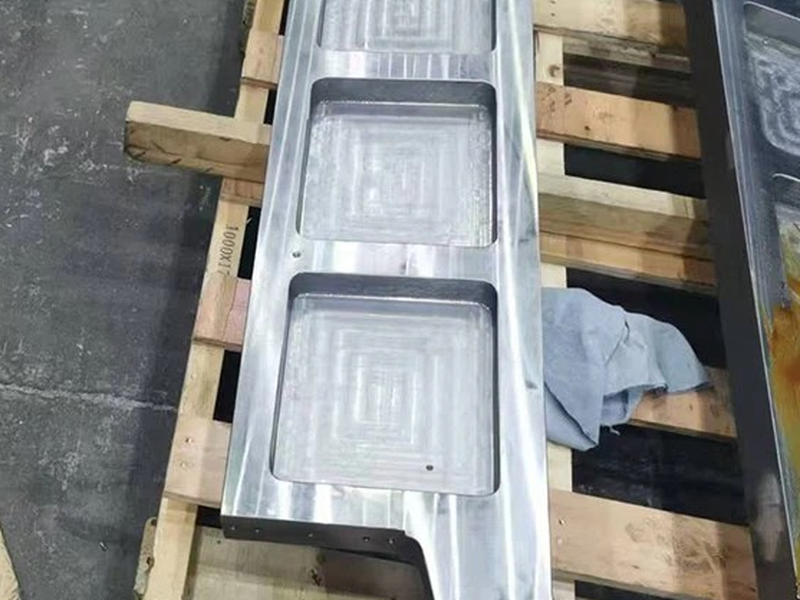
Fabricated structure milling, Frame Structure Gantry Milling, Steel beam CNC machining


