

In the dynamic landscape of modern industry, the ability of an Industrial Axis to adapt to new economic models is not just a competitive advantage; it's a necessity for survival. As a supplier of Industrial Axis, I've witnessed firsthand the transformative power of these new economic paradigms and the challenges and opportunities they present.
The Emergence of New Economic Models
The global economy is undergoing a profound transformation, driven by technological advancements, changing consumer preferences, and the increasing importance of sustainability. New economic models, such as the circular economy, the sharing economy, and the digital economy, are emerging as viable alternatives to the traditional linear economic model.
The circular economy, for instance, aims to eliminate waste and keep resources in use for as long as possible. This model emphasizes the reuse, repair, and recycling of products, which has significant implications for the Industrial Axis industry. Instead of producing and disposing of Industrial Axles in a linear fashion, companies are now exploring ways to extend the lifespan of their products and recover valuable materials at the end of their life cycle.
The sharing economy, on the other hand, is based on the idea of sharing resources rather than owning them. This model has disrupted many industries, including transportation and accommodation, and is now starting to impact the industrial sector. In the context of the Industrial Axis industry, the sharing economy could lead to the development of shared manufacturing facilities, where multiple companies can use the same Industrial Rollers and Industrial Axles to produce their products.
The digital economy, powered by technologies such as the Internet of Things (IoT), artificial intelligence (AI), and big data, is also transforming the way industries operate. In the Industrial Axis industry, the digital economy enables real-time monitoring and optimization of production processes, predictive maintenance of Industrial Rollers and Industrial Axles, and the development of smart products and services.
Challenges Faced by Industrial Axis Suppliers
Adapting to new economic models is not without its challenges. As a supplier of Industrial Axis, I've encountered several obstacles in my efforts to embrace these new paradigms.
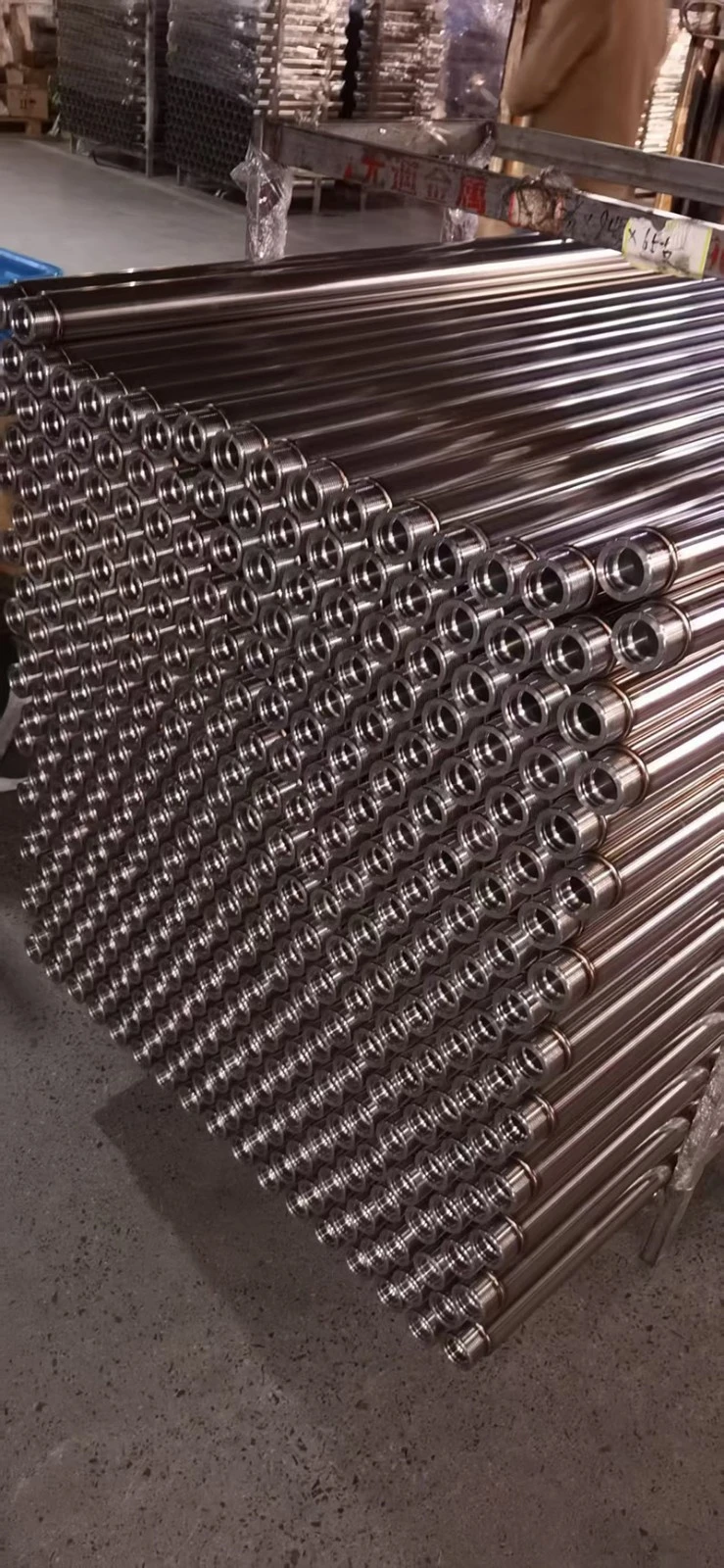

One of the biggest challenges is the need for significant investment in research and development (R&D). Developing products and processes that are compatible with new economic models often requires substantial financial resources and technical expertise. For example, implementing a circular economy model may require the development of new recycling technologies or the redesign of Industrial Axles to make them more easily disassembled and recycled.
Another challenge is the resistance to change from traditional business models. Many companies in the Industrial Axis industry are accustomed to operating in a linear fashion, and it can be difficult to convince them to adopt new ways of doing business. This resistance can be due to a variety of factors, including fear of the unknown, concerns about the cost and complexity of implementation, and a lack of awareness of the benefits of new economic models.
In addition, the regulatory environment can also pose challenges for Industrial Axis suppliers. Different countries and regions have different regulations regarding waste management, product safety, and environmental protection, which can make it difficult to implement new economic models on a global scale. For example, some countries may have strict regulations on the disposal of Industrial Rollers and Industrial Axles, while others may have more lenient rules.
Strategies for Adaptation
Despite these challenges, there are several strategies that Industrial Axis suppliers can adopt to adapt to new economic models.
One strategy is to collaborate with other companies and stakeholders. By working together, suppliers can share resources, knowledge, and expertise, which can help to reduce the cost and complexity of implementing new economic models. For example, a group of Industrial Axis suppliers could form a consortium to develop a shared recycling facility or to explore the potential of the sharing economy.
Another strategy is to invest in digital technologies. The digital economy offers many opportunities for Industrial Axis suppliers to improve their efficiency, productivity, and competitiveness. For example, by using IoT sensors to monitor the performance of Industrial Rollers and Industrial Axles in real-time, suppliers can identify potential problems before they occur and take proactive measures to prevent downtime.
In addition, Industrial Axis suppliers can also focus on developing sustainable products and processes. By adopting a circular economy model, suppliers can reduce their environmental impact and create value from waste. For example, by designing Industrial Axles to be more easily disassembled and recycled, suppliers can recover valuable materials and reduce the amount of waste sent to landfills.
The Benefits of Adaptation
Adapting to new economic models can bring several benefits for Industrial Axis suppliers.
One of the main benefits is the ability to meet the changing needs and expectations of customers. As consumers become more environmentally conscious and demand sustainable products and services, Industrial Axis suppliers that are able to offer these solutions will have a competitive advantage in the market. For example, a company that offers Industrial Axles made from recycled materials or that can be easily recycled at the end of their life cycle may be more attractive to customers who are looking for sustainable options.
Another benefit is the potential for cost savings. By adopting a circular economy model, Industrial Axis suppliers can reduce their raw material costs by recovering and reusing valuable materials. In addition, by using digital technologies to optimize their production processes, suppliers can improve their efficiency and reduce their energy consumption, which can also lead to cost savings.
In addition, adapting to new economic models can also help Industrial Axis suppliers to future-proof their businesses. As the global economy continues to evolve, companies that are able to adapt to new economic models will be better positioned to survive and thrive in the long term. By embracing innovation and sustainability, Industrial Axis suppliers can create a competitive advantage for themselves and ensure their continued success in the market.
Conclusion
In conclusion, the ability of an Industrial Axis to adapt to new economic models is crucial for the survival and success of Industrial Axis suppliers. While there are challenges associated with adapting to these new paradigms, there are also many opportunities for suppliers to improve their efficiency, productivity, and competitiveness. By collaborating with other companies and stakeholders, investing in digital technologies, and focusing on developing sustainable products and processes, Industrial Axis suppliers can position themselves for success in the new economic landscape.
If you're interested in learning more about how our Industrial Axis products can help your business adapt to new economic models, please don't hesitate to contact us for a procurement discussion. We're committed to providing high-quality products and services that meet the needs of our customers and contribute to a more sustainable future.
References
- Bocken, N. M. P., de Pauw, I., Bakker, C., & van der Grinten, B. (2016). Product design and business model strategies for a circular economy. Journal of Industrial and Production Engineering, 33(5), 308-320.
- Geissdoerfer, M., Savaget, P., Bocken, N. M. P., & Hultink, E. J. (2017). The circular economy–a new sustainability paradigm? Journal of Cleaner Production, 143, 757-768.
- Schwab, K. (2016). The Fourth Industrial Revolution. World Economic Forum.


