

The solar energy industry has witnessed remarkable growth in recent years, driven by the global shift towards renewable energy sources. As a key component in various industrial applications, industrial flanges play a significant yet often overlooked role in the solar energy sector. In this blog, I'll share insights as an industrial flange supplier on how these vital components are used in the solar energy industry.
1. Mounting and Structural Support
In the solar energy industry, large - scale solar panel installations require a robust mounting and support structure. Industrial flanges are used to connect different parts of the solar panel mounting frames, such as poles, beams, and brackets. They ensure a secure and stable connection, which is crucial for withstanding environmental forces like wind, snow, and seismic activities.
By using Industrial Flange in the mounting structures, we can provide a standardized and reliable connection method. Flanges come in various sizes, shapes, and materials, allowing for flexibility in design to meet the specific requirements of different solar panel configurations. For example, stainless - steel flanges are often preferred in coastal areas due to their corrosion - resistant properties, as they are less likely to degrade in the salty environment.
In addition, the use of industrial flanges simplifies the installation process. Instead of welding or using complex fastening systems, flanges can be easily bolted together. This not only saves time but also reduces the need for highly skilled labor, making solar panel installations more cost - effective.
2. Piping and Fluid Transfer in Solar Thermal Systems
Solar thermal systems are an important part of the solar energy industry. These systems collect solar energy to heat a fluid, which can then be used for various purposes, such as space heating, water heating, or power generation. Industrial flanges are extensively used in the piping networks of solar thermal systems.
The flanges provide a leak - proof connection between pipes, valves, and heat exchangers. They ensure that the heated fluid, often a mixture of water and glycol or a specialized heat - transfer fluid, can flow smoothly through the system without any loss. This is essential for maintaining the efficiency of the solar thermal system.
For instance, in a large - scale solar thermal power plant, miles of pipes are used to transfer the heated fluid from the solar collectors to the power generation unit. Industrial Flange connections at regular intervals along these pipes prevent leaks and ensure the integrity of the fluid transfer system. Different types of flanges, such as weld - neck flanges and slip - on flanges, are selected based on the pressure, temperature, and flow rate requirements of the system.
3. Electrical and Mechanical Connections in Solar Power Inverters
Solar power inverters are crucial components that convert the direct current (DC) generated by solar panels into alternating current (AC) for use in the electrical grid or in off - grid applications. Industrial flanges are used in both the electrical and mechanical aspects of these inverters.
Mechanically, flanges are used to mount and secure various components within the inverter enclosure. They provide a stable platform for the internal components, protecting them from vibrations and mechanical shocks. This is important for the long - term reliability of the inverter, as any damage to the internal components can lead to a decrease in performance or even complete system failure.
Electrical connections also benefit from the use of industrial flanges. Some types of flanges are designed to provide a grounding connection for the electrical components, ensuring electrical safety. Additionally, they can be used to connect different electrical circuits within the inverter, providing a well - organized and reliable electrical path.
4. Compatibility with Other Industrial Components
The solar energy industry often integrates with other industrial systems, such as energy storage systems, monitoring equipment, and grid connection infrastructure. Industrial flanges play a key role in ensuring compatibility between different components.
They can be used to connect solar energy systems with Industrial Axle or Industrial Axis components in some advanced solar tracking systems. These tracking systems follow the sun's movement to maximize the amount of sunlight captured by the solar panels. The use of industrial flanges allows for a seamless connection between the mechanical parts of the tracking system and the solar panel mounting structure.

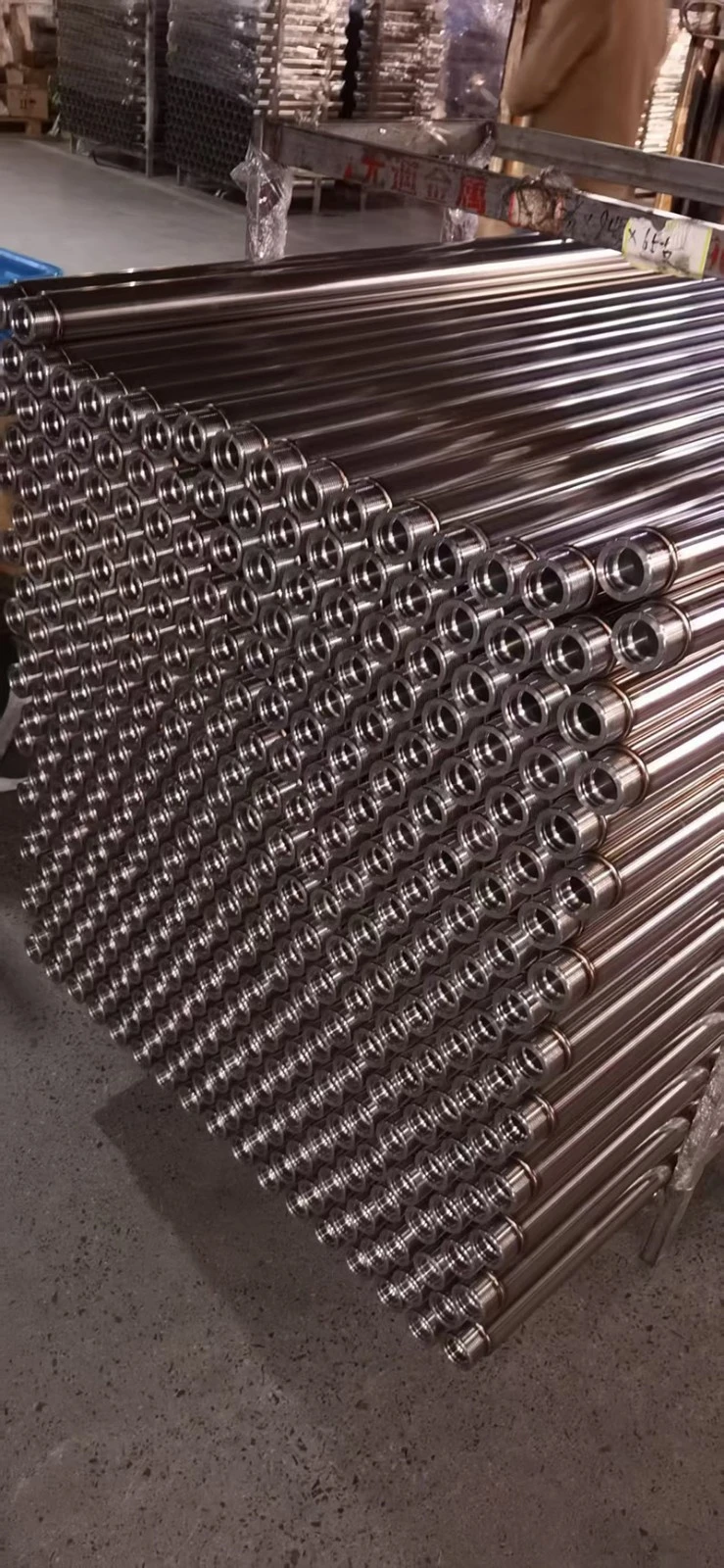
Moreover, industrial flanges can be designed to meet international standards, such as ASME (American Society of Mechanical Engineers) or DIN (Deutsches Institut für Normung), which ensures interoperability with a wide range of industrial components from different manufacturers. This standardization makes it easier for solar energy system integrators to select and install the right components for their projects.
5. Durability and Long - term Performance
The solar energy industry requires components that can withstand harsh environmental conditions and operate reliably over a long period. Industrial flanges are well - suited for this purpose. They are typically made from high - quality materials, such as carbon steel, stainless steel, or alloy steel, which offer excellent strength and corrosion resistance.
In outdoor solar panel installations, the flanges are exposed to sunlight, rain, wind, and temperature variations. The durability of industrial flanges ensures that the connections remain intact over time, reducing the need for frequent maintenance and replacement. This not only saves costs but also contributes to the overall efficiency and reliability of the solar energy system.
6. Customization for Specific Project Requirements
As an industrial flange supplier, I understand that each solar energy project has its unique requirements. We offer customized flange solutions to meet the specific needs of our customers. Whether it's a small - scale residential solar installation or a large - scale commercial solar farm, we can provide flanges in different sizes, materials, and configurations.
For example, in some off - grid solar power systems in remote areas, the flanges may need to be light - weight and easy to transport. We can design and manufacture flanges using advanced materials and manufacturing techniques to meet these requirements. Additionally, for solar energy projects in extreme cold or hot climates, we can select materials with appropriate thermal properties to ensure the long - term performance of the flanges.
Conclusion
Industrial flanges have a wide range of applications in the solar energy industry, from mounting and structural support to piping connections and component compatibility. Their importance in ensuring the reliability, efficiency, and long - term performance of solar energy systems cannot be overstated.
If you are involved in a solar energy project and are looking for high - quality industrial flanges, feel free to reach out for procurement and further discussions. We have a team of experts who can help you select the right flanges for your specific needs.
References
- ASME Standards for pipe flanges and fittings.
- DIN Standards on industrial connection elements.
- Technical literature from solar energy system manufacturers on component integration.


