

Hey there! As a supplier of Rubber-coated Drums, I've seen firsthand how the rubber coating can have a huge impact on the performance of the drum. In this blog post, I'm gonna break down the key ways the rubber coating affects drum performance and why it matters for different industrial applications.
1. Friction and Traction
One of the most obvious effects of a rubber coating on a drum is the change in friction and traction. Rubber has a high coefficient of friction, which means it can grip materials better than a bare metal drum. This is super important in applications where you need to move materials smoothly and efficiently.
For example, in conveyor systems, a Rubber-coated Drum can prevent slippage of the conveyor belt. If the drum doesn't have enough grip, the belt might start to slip, causing inefficiencies in the material handling process. The rubber coating provides the necessary traction to keep the belt moving at a consistent speed, reducing downtime and increasing productivity.
In printing presses, the rubber coating on drums helps in transferring ink evenly. The drum needs to grip the paper firmly to ensure accurate printing. Without the rubber coating, the paper might shift during the printing process, leading to smudged or misaligned prints.
You can check out our Rubber-coated Drum product page to see how our coatings are designed to optimize friction and traction for various applications.
2. Noise and Vibration Reduction
Another significant benefit of a rubber coating is its ability to reduce noise and vibration. When a drum rotates, especially at high speeds, it can generate a lot of noise and vibration. This not only creates an unpleasant working environment but can also cause damage to the equipment over time.
The rubber coating acts as a shock absorber, dampening the vibrations produced by the drum. It reduces the impact between the drum and the materials it comes into contact with, which in turn reduces the noise level. This is particularly important in industrial settings where noise pollution can be a major issue.
For instance, in a textile manufacturing plant, the rubber coating on drums used in the spinning or weaving process can significantly reduce the noise generated by the machinery. This makes the workplace more comfortable for the workers and also helps in complying with noise regulations.
3. Wear and Tear Resistance
Rubber is a durable material that can withstand a lot of wear and tear. When a drum is coated with rubber, it provides an extra layer of protection against abrasion, corrosion, and other forms of damage.
In applications where the drum comes into contact with rough or abrasive materials, such as in mining or recycling industries, the rubber coating can prevent the drum from getting scratched or dented. This extends the lifespan of the drum and reduces the need for frequent replacements.
Let's say you're using a drum in a sandblasting operation. The sand particles are extremely abrasive, and without a rubber coating, the drum would quickly get damaged. But with a high-quality rubber coating, the drum can withstand the constant abrasion and keep performing effectively for a longer period.
4. Chemical Resistance
Depending on the type of rubber used for the coating, a Rubber-coated Drum can have excellent chemical resistance. This is crucial in industries where the drum might come into contact with chemicals, solvents, or other corrosive substances.
For example, in the chemical processing industry, drums are often used to transport or store various chemicals. A rubber coating that is resistant to these chemicals can prevent the drum from corroding and leaking. This not only protects the equipment but also ensures the safety of the workers and the environment.
We also offer different types of rubber coatings with varying degrees of chemical resistance. You can find more details on our Rubber-coated Drum page.

5. Customization and Adaptability
One of the great things about rubber coatings is that they can be customized to meet specific requirements. We can adjust the hardness, thickness, and texture of the rubber coating to suit different applications.
If you need a drum with a very high coefficient of friction for a particular material handling task, we can apply a rubber coating with a rougher texture. On the other hand, if you need a drum that is more resistant to chemicals, we can use a special type of rubber that has better chemical resistance.
This customization allows us to provide solutions for a wide range of industries. Whether you're in the food processing industry, the automotive industry, or the packaging industry, we can design a Rubber-coated Drum that meets your exact needs.
Comparing with Other Types of Drums
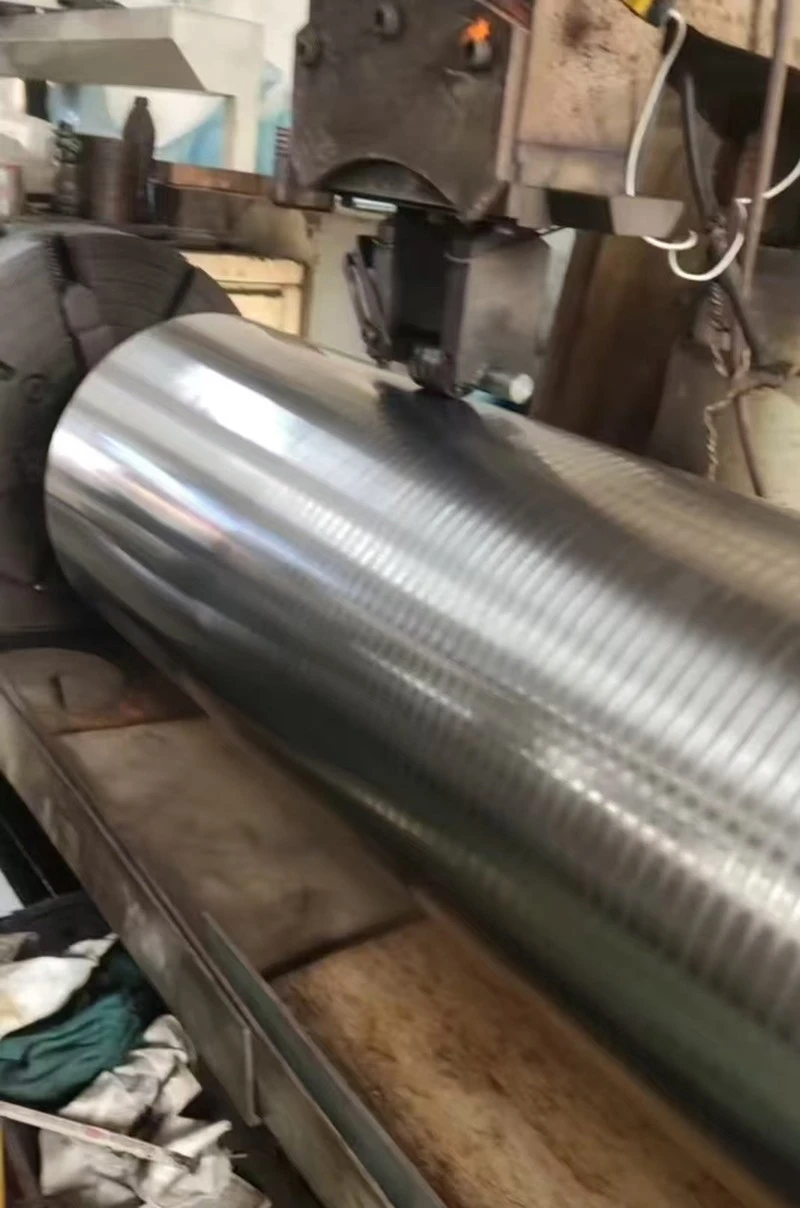
It's also worth comparing Rubber-coated Drums with other types of drums, such as Industrial Slotted Drum and Industrial Mirrored Drum.
Industrial Slotted Drums are often used in applications where you need to separate or filter materials. They have slots or holes that allow certain materials to pass through while retaining others. While they are great for specific separation tasks, they might not offer the same level of friction, noise reduction, or wear resistance as Rubber-coated Drums.
Industrial Mirrored Drums, on the other hand, are known for their smooth and reflective surface. They are commonly used in applications where you need to transfer a thin layer of material evenly, such as in some printing or coating processes. However, they might not be as suitable for applications that require high traction or chemical resistance.
Conclusion
In conclusion, the rubber coating on a drum has a profound impact on its performance. It improves friction and traction, reduces noise and vibration, increases wear and tear resistance, provides chemical resistance, and allows for customization. Whether you're looking to improve the efficiency of your conveyor system, reduce noise in your manufacturing plant, or protect your equipment from damage, a Rubber-coated Drum can be a great solution.
If you're interested in learning more about our Rubber-coated Drums or have specific requirements for your industrial application, feel free to reach out. We're here to help you find the perfect drum solution for your needs.
References
- Smith, J. (2018). "The Role of Rubber Coatings in Industrial Equipment". Industrial Journal.
- Johnson, A. (2019). "Advantages of Rubber-coated Drums in Conveyor Systems". Material Handling Magazine.


