

Hey there! As a supplier of Automation Sheet Metal, I've seen firsthand how implementing automation in sheet metal can revolutionize the manufacturing process. In this blog, I'll share some of the best practices I've learned over the years to help you make the most of automation in your sheet metal operations.
Understanding the Basics of Automation in Sheet Metal
Before diving into the best practices, let's quickly go over what automation in sheet metal actually means. Automation involves using technology to perform tasks that were previously done manually. In the context of sheet metal, this can include cutting, bending, punching, and welding, among other processes. By automating these tasks, you can increase efficiency, improve quality, and reduce costs.
Best Practices for Implementing Automation
1. Conduct a Thorough Assessment
Before investing in automation, it's crucial to conduct a comprehensive assessment of your current sheet metal processes. Identify the tasks that are repetitive, time-consuming, or prone to human error. These are the areas where automation can have the most significant impact. For example, if you're spending a lot of time manually cutting sheet metal, an automated cutting machine could streamline the process and improve accuracy.
2. Choose the Right Automation Equipment
Once you've identified the areas for automation, it's time to choose the right equipment. There are various types of automation systems available, each with its own features and capabilities. Consider factors such as the size and complexity of your projects, your production volume, and your budget. For instance, if you're working on small-scale projects with low production volumes, a desktop CNC machine might be a suitable option. On the other hand, if you're dealing with large-scale production, a fully automated production line could be more appropriate.
3. Integrate Automation with Existing Systems
To ensure a seamless transition to automation, it's essential to integrate the new equipment with your existing systems. This includes your manufacturing software, inventory management system, and quality control processes. By integrating these systems, you can improve communication and data flow between different departments, leading to increased efficiency and productivity. For example, you can use software to automatically generate cutting and bending programs based on the design specifications, eliminating the need for manual programming.
4. Train Your Employees
Automation doesn't mean replacing your employees; it means empowering them with new skills and tools. Provide comprehensive training to your employees to ensure they understand how to operate and maintain the new automation equipment. This will not only improve their job satisfaction but also increase their productivity and effectiveness. Additionally, encourage your employees to provide feedback on the automation process and suggest improvements. Their insights can be invaluable in optimizing the system and achieving better results.
5. Implement Quality Control Measures
Automation can improve the consistency and accuracy of your sheet metal products, but it's still important to implement quality control measures. Establish clear quality standards and inspection procedures to ensure that the finished products meet or exceed customer expectations. Use sensors and monitoring systems to detect any defects or deviations in the production process and take corrective action immediately. By maintaining high-quality standards, you can enhance your reputation and increase customer satisfaction.
6. Continuously Monitor and Optimize
Automation is not a one-time solution; it's an ongoing process. Continuously monitor the performance of your automation system and look for opportunities to optimize it. Analyze production data to identify bottlenecks, inefficiencies, or areas for improvement. Use this information to make adjustments to the system, such as adjusting the cutting speed, changing the tooling, or optimizing the programming. By continuously improving your automation process, you can stay competitive in the market and achieve long-term success.
Benefits of Automation in Sheet Metal
Implementing automation in sheet metal offers numerous benefits, including:
1. Increased Efficiency
Automation can significantly reduce the time and effort required to complete sheet metal projects. By automating repetitive tasks, you can increase production speed and throughput, allowing you to take on more projects and meet customer deadlines.
2. Improved Quality
Automation systems are designed to perform tasks with high precision and accuracy, resulting in consistent and high-quality products. This can reduce the number of defects and rework, leading to improved customer satisfaction and lower costs.
3. Cost Savings
While the initial investment in automation equipment can be significant, it can result in long-term cost savings. By reducing labor costs, improving efficiency, and minimizing waste, you can lower your overall production costs and increase your profit margins.
4. Enhanced Safety
Automation can help improve workplace safety by reducing the risk of accidents and injuries. By automating dangerous or repetitive tasks, you can protect your employees from harm and create a safer working environment.
5. Competitive Advantage
In today's competitive market, implementing automation in sheet metal can give you a significant competitive advantage. By offering faster turnaround times, higher quality products, and lower costs, you can attract more customers and win more business.
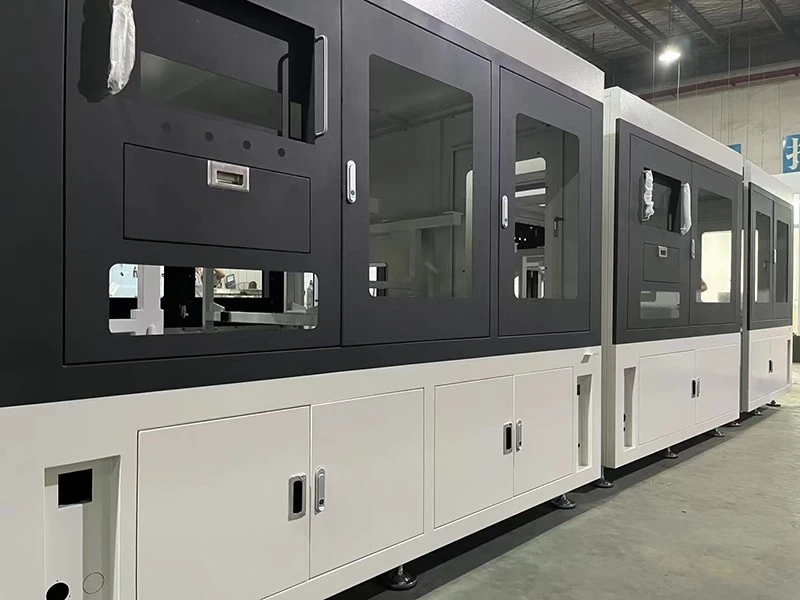

Other Sheet Metal Processing Technologies
In addition to Automation Sheet Metal, there are other sheet metal processing technologies that you might find useful, such as Mirror Sheet Metal Processing and Customized Sheet Metal Processing. These technologies can offer unique benefits and applications, depending on your specific needs and requirements.
Conclusion
Implementing automation in sheet metal can be a game-changer for your manufacturing business. By following the best practices outlined in this blog, you can successfully integrate automation into your sheet metal processes and reap the benefits of increased efficiency, improved quality, cost savings, and competitive advantage. If you're interested in learning more about Automation Sheet Metal or other sheet metal processing technologies, please don't hesitate to contact us. We'd be happy to discuss your specific needs and provide you with a customized solution.
References
- "Automation in Manufacturing: A Guide to Implementation." Manufacturing.net.
- "The Benefits of Automation in Sheet Metal Fabrication." Fabricator Magazine.
- "How to Choose the Right Automation Equipment for Your Sheet Metal Shop." Modern Machine Shop.


