

Underwater environments present a unique set of challenges for various equipment and structures. As a supplier of Mechanical Shield, I have witnessed firsthand the difficulties that come with using mechanical shields underwater. In this blog post, I will delve into the key challenges and discuss potential solutions to ensure the effective use of mechanical shields in such harsh conditions.
Corrosion and Erosion
One of the most significant challenges of using a mechanical shield underwater is corrosion. The presence of water, especially saltwater, accelerates the corrosion process due to the high conductivity and the presence of dissolved oxygen and other corrosive agents. Corrosion can weaken the mechanical shield, leading to structural failures and reduced performance over time.
Erosion is another related issue. Underwater currents, waves, and the movement of sediment can cause abrasion on the surface of the mechanical shield. This abrasion can gradually wear away the protective coating and the base material, further exposing the shield to corrosion and reducing its lifespan.
To combat corrosion, we often recommend using materials that are highly resistant to corrosion, such as stainless steel. Our Stainless Steel Controller Shell is an excellent example of a product that offers superior corrosion resistance. Additionally, applying protective coatings can provide an extra layer of defense against corrosion and erosion. These coatings can act as a barrier between the shield and the corrosive environment, reducing the rate of degradation.
Pressure and Buoyancy
The underwater environment is characterized by high hydrostatic pressure, which increases with depth. This pressure can exert significant forces on the mechanical shield, potentially causing deformation or even collapse if the shield is not designed to withstand it. The design of the mechanical shield must take into account the maximum depth at which it will be used and ensure that it has sufficient strength and rigidity to resist the pressure.
Buoyancy is another factor that needs to be considered. Depending on the density of the material used for the mechanical shield and the surrounding water, the shield may experience buoyant forces. These forces can affect the stability and positioning of the shield, especially if it is not properly anchored or weighted. In some cases, additional ballast may be required to counteract the buoyancy and keep the shield in place.
Biofouling
Biofouling is the accumulation of living organisms, such as algae, barnacles, and mussels, on the surface of the mechanical shield. This can occur in both freshwater and saltwater environments and can have several negative effects. Biofouling can increase the weight of the shield, affecting its buoyancy and stability. It can also cause blockages in any openings or channels in the shield, reducing its functionality.
Moreover, the presence of biofouling can create a more corrosive environment by trapping moisture and promoting the growth of bacteria. To prevent biofouling, various methods can be employed. One approach is to use anti - fouling coatings that contain chemicals or materials that deter the attachment and growth of organisms. Regular cleaning and maintenance of the mechanical shield can also help to remove any accumulated biofouling and prevent its build - up.
Maintenance and Inspection
Maintaining and inspecting a mechanical shield underwater is a challenging task. Accessing the shield can be difficult, especially in deep or remote underwater locations. Specialized equipment and trained personnel are often required to perform maintenance and inspection operations.
Underwater conditions can also make it challenging to detect and diagnose problems. Visibility may be limited, and the presence of water can interfere with some inspection techniques. For example, traditional visual inspections may be less effective due to poor visibility, and non - destructive testing methods may need to be adapted to work in an underwater environment.
Regular maintenance is crucial to ensure the long - term performance of the mechanical shield. This includes checking for signs of corrosion, erosion, biofouling, and structural damage. Any issues should be addressed promptly to prevent further deterioration and potential failures.
Compatibility with Other Equipment
In many underwater applications, the mechanical shield is part of a larger system that includes other equipment and components. Ensuring compatibility between the mechanical shield and the other equipment is essential for the overall functionality of the system.
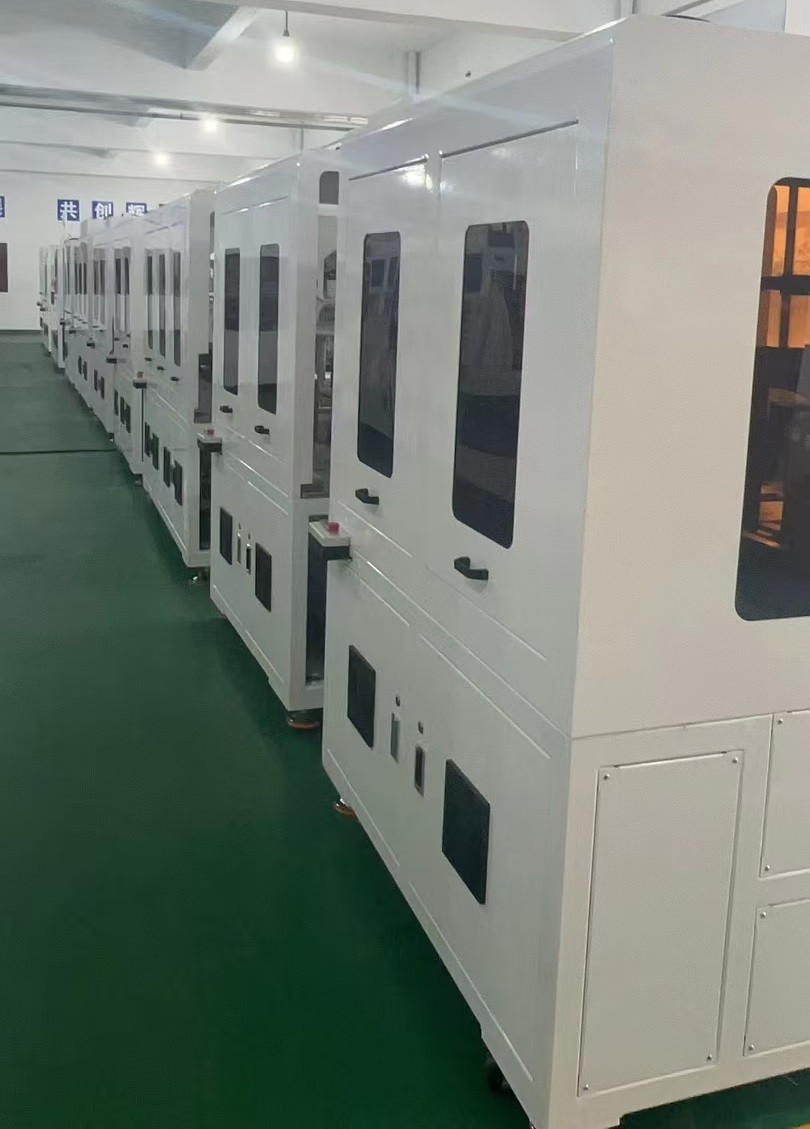

For example, the mechanical shield may need to be designed to accommodate cables, sensors, or other devices that pass through it. The shield should not interfere with the operation of these components, and it should provide adequate protection without causing any damage. Compatibility also extends to the electrical and mechanical interfaces between the shield and the other equipment. Any mismatches in these interfaces can lead to malfunctions or reduced performance.
Cost - effectiveness
Balancing the performance requirements of the mechanical shield with cost - effectiveness is a constant challenge. High - performance materials and advanced design features that can withstand the harsh underwater environment often come at a higher cost. However, choosing a cheaper option may result in a shorter lifespan and more frequent replacements, which can ultimately increase the overall cost.
As a supplier, we work closely with our customers to understand their specific requirements and budget constraints. We offer a range of products and solutions that can provide a good balance between performance and cost. By carefully considering the design, materials, and manufacturing processes, we can develop mechanical shields that meet the needs of our customers while keeping the cost within an acceptable range.
Conclusion
Using a mechanical shield underwater presents a multitude of challenges, including corrosion, pressure, biofouling, maintenance, compatibility, and cost - effectiveness. However, with the right design, materials, and maintenance strategies, these challenges can be overcome.
At our company, we are committed to providing high - quality Mechanical Shield solutions that are designed to withstand the harsh underwater environment. Our Stainless Steel Controller Shell and Industrial Metal Cylinder are just some of the products that offer reliable protection in underwater applications.
If you are in need of a mechanical shield for your underwater project, we invite you to contact us for a detailed consultation. Our team of experts can help you select the most suitable solution based on your specific requirements and budget. We look forward to working with you to ensure the success of your underwater project.
References
- ASM Handbook, Volume 13A: Corrosion: Fundamentals, Testing, and Protection. ASM International.
- Marine Biofouling: Challenges and Opportunities. Edited by David Rittschof and Anil K. Mishra. CRC Press.
- Underwater Engineering Handbook. Edited by Jack L. Gould. McGraw - Hill.


