

Hey there! As an industrial flange supplier, I've seen firsthand the importance of safety when working with these components. Industrial flanges are used in a wide range of applications, from plumbing to heavy machinery, and they play a crucial role in connecting pipes, valves, and other equipment. But working with them can be dangerous if you don't take the right precautions. So, let's dive into some safety tips for handling industrial flanges.
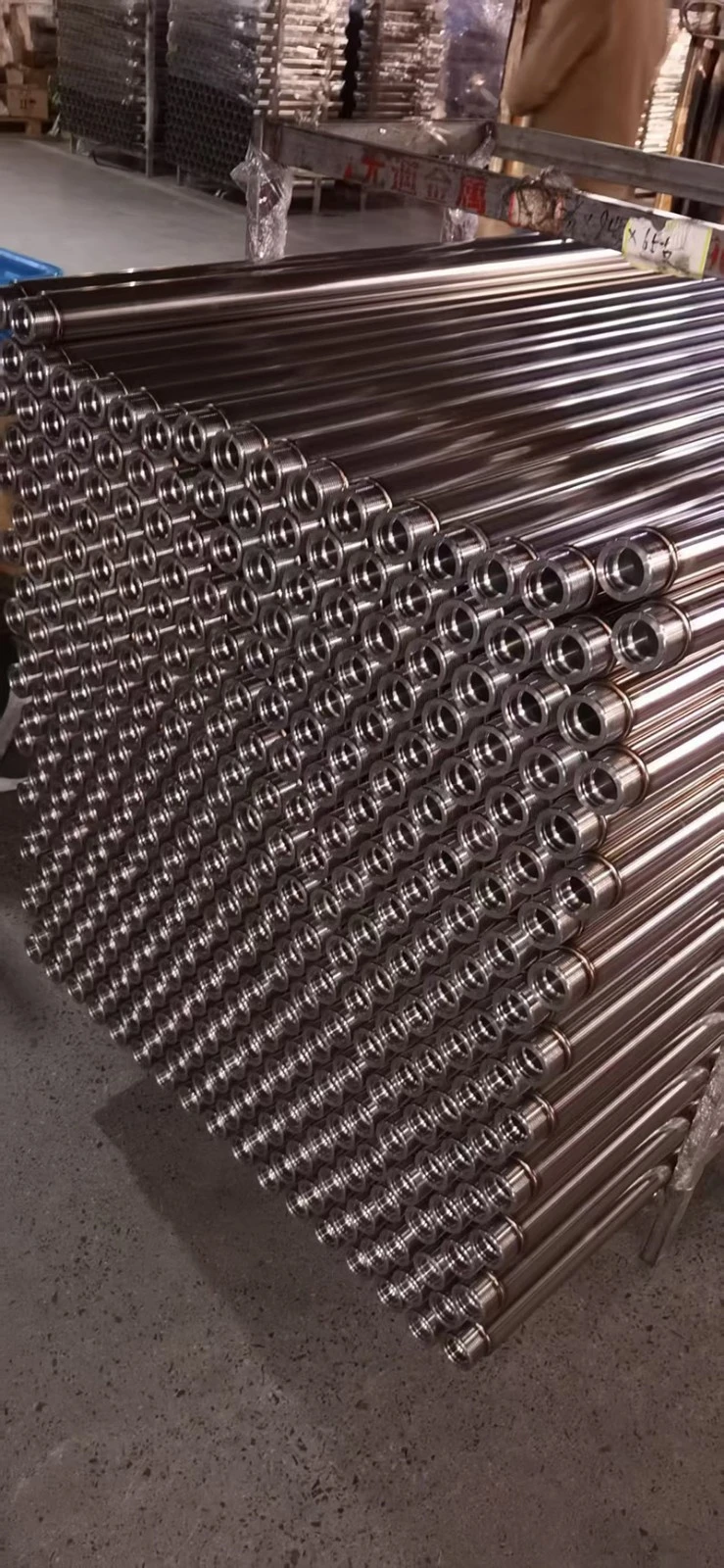

1. Personal Protective Equipment (PPE)
First things first, you gotta suit up with the right PPE. This isn't just a suggestion; it's a must - have. Safety glasses are your eyes' best friends. Industrial flanges are often made of metal, and during installation or maintenance, there's a risk of metal chips flying around. One tiny piece in your eye can cause serious damage, so make sure your safety glasses fit well and have side shields for extra protection.
Gloves are also essential. You want gloves that are cut - resistant and can handle the weight and sharp edges of the flanges. Leather or Kevlar - lined gloves are great options. They'll protect your hands from cuts, abrasions, and even some chemicals if you're working in an environment where the flanges come into contact with corrosive substances.
A hard hat is a no - brainer, especially if you're working in a construction or industrial setting where there's a risk of falling objects. You don't want a heavy flange or a tool accidentally dropping on your head. And don't forget steel - toed boots. They'll keep your feet safe from being crushed if a flange slips or falls.
2. Inspection Before Installation
Before you even think about installing an industrial flange, you need to give it a thorough inspection. Check for any visible cracks, dents, or corrosion. Cracks can weaken the flange and cause it to fail under pressure, which can lead to leaks or even explosions in some cases.
Look at the surface finish. It should be smooth and free of any rough spots or debris. If there are any imperfections, it can affect the seal between the flange and the mating component. Also, check the bolt holes. They should be clean and the right size for the bolts you're using. If the holes are too small or too big, it can lead to improper tightening and a leaky connection.
And while you're at it, make sure you're using the right type of flange for the job. Different applications require different flange materials and designs. For example, if you're working with high - pressure steam, you'll need a flange that can handle the heat and pressure. You can find more information about different types of industrial flanges on our Industrial Flange page.
3. Proper Handling and Lifting
Lifting industrial flanges can be tricky because they're often heavy. You need to use the right lifting equipment, like a crane or a hoist, depending on the size and weight of the flange. Make sure the lifting equipment is in good working condition and rated for the weight of the flange.
When attaching the lifting device to the flange, use appropriate slings or hooks. Make sure they're properly secured to prevent the flange from slipping during lifting. And always follow the manufacturer's guidelines for lifting.
If you're moving the flange manually, use a proper handling technique. Bend your knees and lift with your legs, not your back. Don't try to lift a flange that's too heavy for you. Get some help or use mechanical assistance.
4. Tightening the Bolts
Tightening the bolts on an industrial flange is a critical step. You need to use the right torque. Over - tightening can cause the flange to crack or warp, while under - tightening can lead to leaks. Use a torque wrench to ensure that each bolt is tightened to the correct specification.
Tighten the bolts in a star pattern. This helps to distribute the pressure evenly around the flange and ensures a proper seal. Start by tightening the bolts finger - tight, and then use the torque wrench to gradually increase the torque in steps.
After you've tightened all the bolts, check them again after a short period of operation. Vibration and temperature changes can cause the bolts to loosen over time. So, a follow - up check is a good idea to make sure everything is still secure.
5. Working in Hazardous Environments
If you're working with industrial flanges in a hazardous environment, like a chemical plant or an oil refinery, you need to take extra precautions. Make sure you're aware of the potential hazards, such as toxic gases or flammable substances.
Use appropriate ventilation systems to keep the air clean and reduce the risk of inhalation of harmful chemicals. If you're working in an area where there's a risk of fire or explosion, make sure you're using non - sparking tools. And always have a fire extinguisher nearby, just in case.
6. Storage
Proper storage of industrial flanges is also important for safety. Store them in a dry, clean place to prevent corrosion. If possible, store them in a rack or on a pallet to keep them off the ground and prevent damage.
Keep different types of flanges separated to avoid confusion during installation. And make sure the storage area is well - organized so that you can easily access the flanges when you need them.
7. Training
Last but not least, make sure everyone who works with industrial flanges is properly trained. Training should cover everything from safety procedures to proper installation techniques.
Employees should know how to use the PPE correctly, how to inspect the flanges, and how to handle and install them safely. Regular refresher courses are also a good idea to keep everyone up - to - date on the latest safety practices.
Well, that's it for my safety tips when working with industrial flanges. Remember, safety should always be your top priority. If you have any questions about industrial flanges or need to purchase them for your project, don't hesitate to reach out. We're here to help you find the right products and ensure that you're using them safely. Whether you're also looking for related components like Industrial Axis or Industrial Axle, we can assist you in making the right choices. Contact us for more information and to start the procurement process.
References
- Industrial Safety Handbook
- Flange Manufacturer's Installation Guides
- Occupational Safety and Health Administration (OSHA) Regulations


