

Abrasion resistance is a critical property for industrial rollers, especially in various manufacturing and processing environments. As an industrial roller supplier, I have witnessed firsthand the importance of understanding and optimizing this characteristic. In this blog, I will delve into what abrasion resistance of industrial rollers means, its influencing factors, and how it impacts industrial operations.
What is Abrasion Resistance?
Abrasion resistance refers to the ability of a material to withstand wear and tear caused by friction, rubbing, scraping, or erosion. For industrial rollers, it is the capacity to maintain their structural integrity and performance when in contact with other surfaces during normal operation. When a roller has high abrasion resistance, it can endure the forces and interactions that would otherwise cause it to deteriorate quickly, such as in conveyor systems where the rollers are constantly in contact with moving materials, or in printing presses where rollers transfer ink under pressure.
Factors Affecting Abrasion Resistance of Industrial Rollers
Material Composition
The choice of material is perhaps the most significant factor in determining the abrasion resistance of industrial rollers. Different materials have distinct properties that affect how they resist wear. For example, steel rollers are known for their high strength and hardness, which generally provide good abrasion resistance. Stainless steel, in particular, not only offers corrosion resistance but also has excellent wear - resistant capabilities due to its alloying elements.
On the other hand, rubber - covered rollers are widely used in many industries. The type of rubber, such as natural rubber, neoprene, or nitrile rubber, plays a crucial role. Neoprene rubber, for instance, has good abrasion resistance along with oil and weather resistance, making it suitable for applications in harsh environments.
Composite materials are also gaining popularity. They can combine the best properties of different substances, such as the strength of a metal core and the flexibility and wear - resistance of a polymer coating. This combination allows for optimized performance in specific applications.
Surface Finish
The surface finish of an industrial roller has a direct impact on its abrasion resistance. A smooth surface finish reduces the contact area between the roller and the contacting material, minimizing friction and wear. Polished surfaces are less likely to catch or snag on materials, which can lead to premature abrasion.

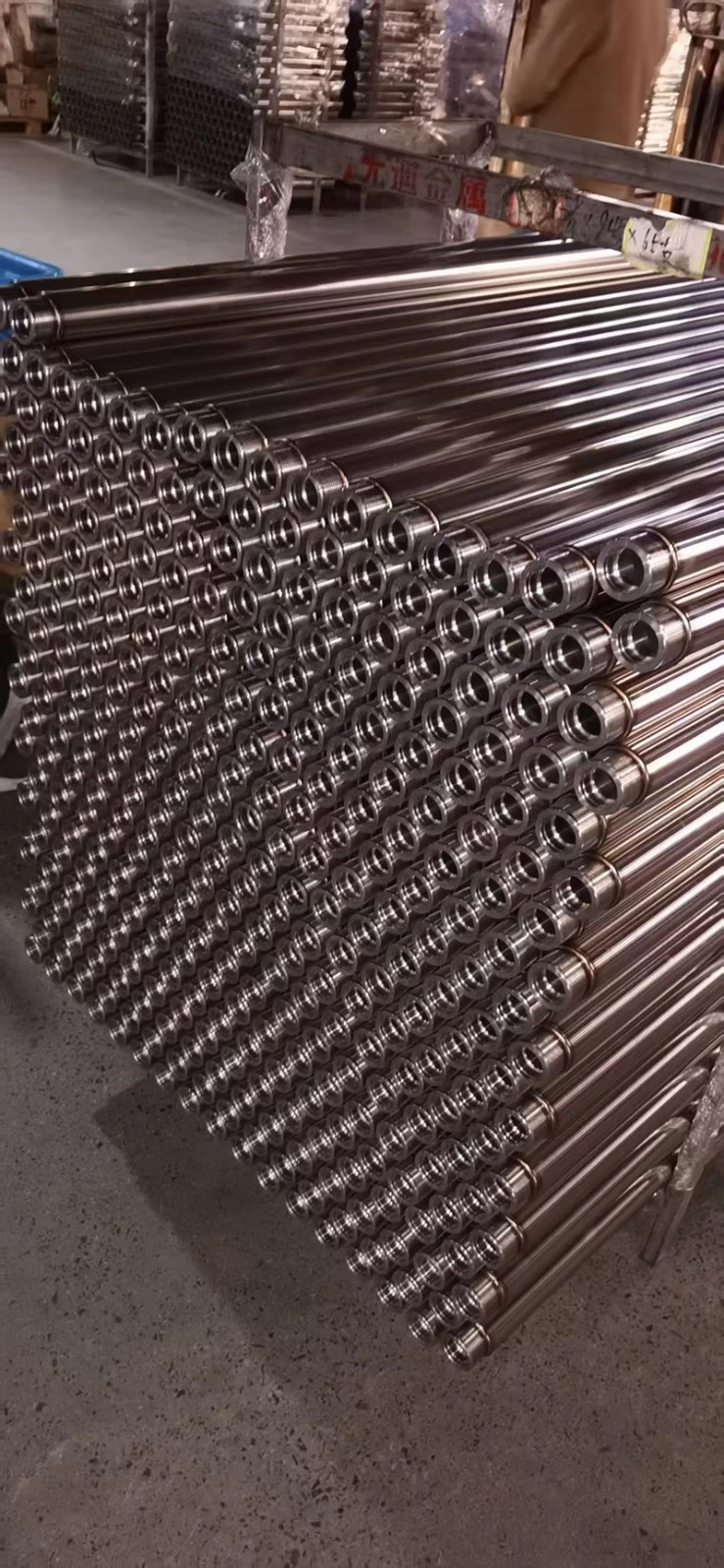
In contrast, a rough surface may cause increased friction, leading to faster wear. However, in some cases, a slightly textured surface may be desired to provide better grip, but it must be carefully designed to balance the need for grip and abrasion resistance.
Operating Conditions
The environment in which the industrial rollers operate can significantly affect their abrasion resistance. High - temperature environments can cause materials to expand and become softer, reducing their ability to resist wear. For example, in a foundry or a heat - treating process, rollers need to be made of materials that can withstand high temperatures without losing their hardness and abrasion - resistant properties.
Dusty or dirty environments can also accelerate abrasion. Particles in the air or on the materials being processed can act as abrasives, wearing down the roller surface. In such cases, proper sealing and protection mechanisms are necessary to prevent these particles from coming into contact with the roller.
The load and speed at which the rollers operate are also important factors. Higher loads increase the pressure on the roller surface, leading to more significant wear. Similarly, high - speed operations can generate more heat and friction, which can degrade the roller material over time.
Importance of Abrasion Resistance in Industrial Applications
Conveyor Systems
In conveyor systems, industrial rollers are responsible for moving materials from one point to another. If the rollers have poor abrasion resistance, they will wear out quickly, leading to frequent replacements. This not only increases maintenance costs but also causes downtime, which can disrupt the entire production process. High - abrasion - resistant rollers ensure smooth and continuous operation, improving the overall efficiency of the conveyor system.
For example, in a mining operation, where large quantities of heavy and abrasive materials such as coal or ore are transported, rollers with excellent abrasion resistance are essential. They can withstand the constant rubbing and impact of the materials, reducing the need for frequent roller changes and minimizing production interruptions.
Printing and Packaging
In the printing and packaging industry, rollers are used to transfer ink, apply coatings, and feed materials. Abrasion - resistant rollers are crucial to maintaining print quality. If a roller wears unevenly, it can cause inconsistent ink transfer, resulting in poor - quality prints. Additionally, in packaging applications, where rollers are in contact with cardboard, plastic, or other materials, good abrasion resistance ensures that the rollers can handle the repetitive motion without degrading, which is essential for high - speed production lines.
Manufacturing Processes
In various manufacturing processes, such as metalworking, woodworking, and plastics processing, industrial rollers are used for shaping, forming, and transporting materials. Rollers with high abrasion resistance can maintain their precision and surface quality, which is vital for producing high - quality products. For example, in a metal - rolling mill, the rollers must be able to withstand the high pressures and friction involved in the rolling process to ensure that the metal sheets or bars are produced with the desired thickness and surface finish.
Related Components for Industrial Rollers
In addition to industrial rollers, there are other related components that play important roles in industrial operations. These include Industrial Axle, Industrial Axis, and Industrial Flange. The Industrial Axle provides support and rotation for the roller, while the Industrial Axis is crucial for the precise movement and alignment of the roller. The Industrial Flange is used for connecting and securing the roller to other components, ensuring a stable and reliable operation.
Conclusion
Abrasion resistance is a fundamental property of industrial rollers that directly impacts their performance, durability, and the overall efficiency of industrial processes. By understanding the factors that affect abrasion resistance, such as material composition, surface finish, and operating conditions, manufacturers can select the most suitable rollers for their specific applications.
As an industrial roller supplier, I am committed to providing high - quality rollers with excellent abrasion resistance. Our team of experts can work closely with you to understand your requirements and recommend the best solutions for your industrial operations. Whether you are in the conveyor, printing, or manufacturing industry, we have the expertise and products to meet your needs.
If you are interested in learning more about our industrial rollers or would like to discuss a potential procurement, please feel free to contact us. We look forward to the opportunity to partner with you and contribute to the success of your business.
References
- "Materials Science and Engineering: An Introduction" by William D. Callister Jr. and David G. Rethwisch
- "Industrial Roller Handbook" - Various industry - specific publications and research papers on industrial roller technology.


